
Pregnancy is one of the most transformative journeys in a woman’s life, but it also comes with its share of uncertainties and risks. This is where gynaecologists (gynaes) in Singapore play a critical role. With a globally recognized healthcare system, Singapore offers some of the safest and most advanced maternity care services. From early pregnancy monitoring to postnatal recovery, gynaes ensure that both mother and baby receive the highest standard of care throughout the entire journey.
What sets a gynae in Singapore apart is that they not just have advanced medical technology but also the holistic, patient-centered approach adopted. They don’t just focus on delivering babies—they focus on delivering safe, informed, and positive experiences for mothers.
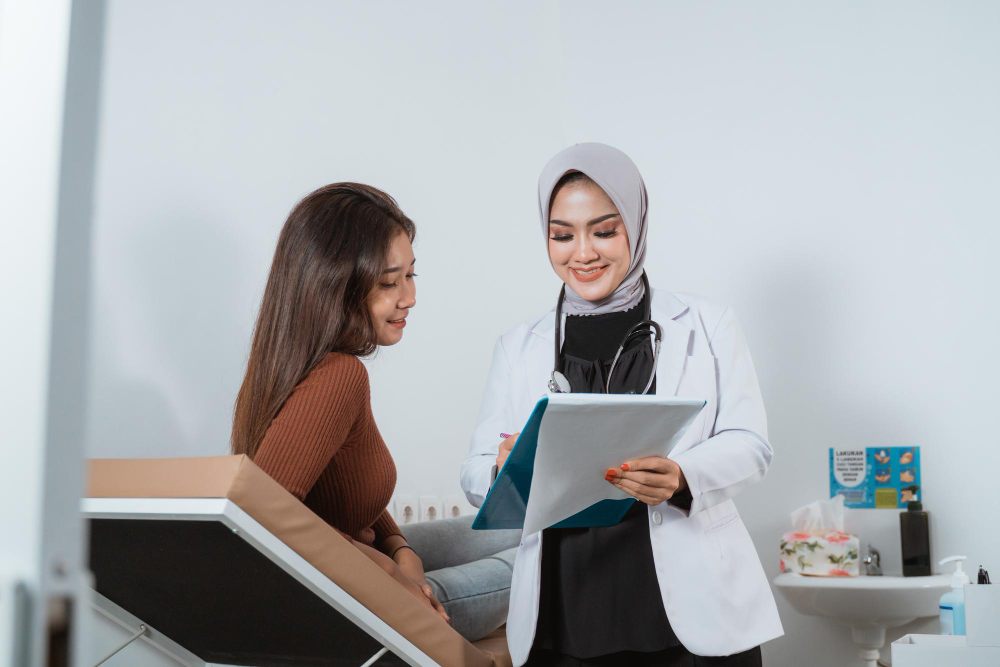
Comprehensive Prenatal Care for Early Detection and Prevention
One of the most important ways gynae in Singapore support safe childbirth is through comprehensive prenatal care. This begins as early as the first trimester and continues until delivery. Regular check-ups allow doctors to monitor the baby’s development and detect any potential complications early.
During these visits, gynaes conduct essential screenings such as ultrasound scans, blood tests, and genetic screenings. These tests help identify conditions like gestational diabetes, preeclampsia, or chromosomal abnormalities. Early detection is crucial because it allows timely intervention, significantly reducing risks during childbirth.
In Singapore, many clinics follow structured prenatal schedules, ensuring that no critical milestone is missed. This systematic approach helps mothers feel reassured and well-informed at every stage of pregnancy. Gynaes also provide lifestyle guidance, including nutrition, exercise, and mental well-being, which are all vital for a healthy pregnancy.
Personalized Pregnancy Care Plans
Every pregnancy is unique, and gynaes in Singapore understand that a one-size-fits-all approach simply doesn’t work. That’s why they create personalized care plans tailored to each patient’s medical history, age, lifestyle, and risk factors.
For example, a first-time mother in her early 30s will have different needs compared to a woman with a high-risk pregnancy or pre-existing medical conditions. Gynaes take all these factors into account when planning prenatal visits, diagnostic tests, and delivery strategies.
This personalized approach extends to emotional support as well. Pregnancy can be overwhelming, especially for first-time mothers. Gynaes often act as trusted advisors, answering questions, addressing concerns, and helping women feel more confident about their journey.
In private clinics across Singapore, this level of personalized care is even more pronounced, with longer consultation times and continuity with the same doctor throughout the pregnancy.
Advanced Technology and Diagnostic Capabilities
Singapore is known for its cutting-edge medical infrastructure, and gynaecology is no exception. Gynaes here have access to advanced diagnostic tools and imaging technologies that enhance both accuracy and safety.
High-resolution ultrasounds, fetal monitoring systems, and non-invasive prenatal testing (NIPT) are commonly used to assess the baby’s health. These technologies allow doctors to detect abnormalities at an early stage, giving parents more options and time to make informed decisions.
In addition, electronic medical records and digital tracking systems help ensure seamless coordination between different healthcare providers. This is particularly important in cases where multiple specialists are involved.
The integration of technology doesn’t just improve outcomes—it also enhances the patient experience. Shorter wait times, faster results, and clearer communication all contribute to a smoother pregnancy journey.
Expert Management of High-Risk Pregnancies
Not all pregnancies are straightforward. Some are classified as high-risk, requiring specialized care and closer monitoring. Gynaes in Singapore are highly trained to handle such cases, ensuring the best possible outcomes even in complex situations.
High-risk pregnancies may involve conditions such as advanced maternal age, multiple pregnancies (twins or triplets), hypertension, or diabetes. In these cases, gynaes often work closely with other specialists, such as endocrinologists or neonatologists, to provide comprehensive care.
Frequent monitoring, specialized tests, and customized treatment plans are key components of high-risk pregnancy management. Singapore’s healthcare system is particularly strong in this area, with well-established protocols and multidisciplinary teams.
This level of expertise significantly reduces complications during childbirth and improves survival rates for both mother and baby.
Safe and Modern Delivery Practices
When it comes to childbirth, safety is the top priority. Gynaes in Singapore are trained in both natural and assisted delivery methods, ensuring that they can adapt to any situation during labor.
Whether it’s a vaginal delivery, cesarean section (C-section), or assisted delivery using tools like forceps or vacuum, doctors make decisions based on what’s safest for the mother and baby. They are also equipped to handle emergencies, such as fetal distress or prolonged labor.
Hospitals and maternity clinics in Singapore are مجهزة with state-of-the-art labor wards and operating theaters. Continuous fetal monitoring and access to emergency care ensure that any complications are addressed तुरंत.
Pain management is another area where Singapore excels. Options such as epidurals are widely available, allowing mothers to have a more comfortable childbirth experience.
Postnatal Care and Recovery Support
The role of a gynae doesn’t end after childbirth. Postnatal care is equally important for ensuring the long-term health of both mother and baby. Gynaes in Singapore provide follow-up consultations to monitor recovery, address complications, and offer guidance on newborn care.
Common postnatal concerns include wound healing (especially after C-sections), breastfeeding challenges, hormonal changes, and mental health issues such as postpartum depression. Early intervention can make a significant difference in recovery and overall well-being.
Many clinics also provide resources such as lactation consultants and parenting support programs. This comprehensive approach ensures that mothers don’t feel alone during the critical postpartum period.
Emphasis on Patient Education and Empowerment
A key strength of gynaes in Singapore is their focus on patient education. They believe that informed patients make better decisions, leading to safer outcomes.
During consultations, doctors take time to explain procedures, risks, and options in simple terms. They encourage questions and involve patients in decision-making processes. This collaborative approach builds trust and reduces anxiety.
Workshops, prenatal classes, and online resources are also widely available, helping expectant mothers prepare for childbirth and parenthood. This emphasis on education empowers women to take control of their health and make confident choices.
Conclusion
Gynaes in Singapore play a vital role in ensuring safe childbirth and high-quality pregnancy care. Through comprehensive prenatal monitoring, personalized treatment plans, advanced technology, and expert management of complications, they provide a level of care that is both reliable and reassuring. Their commitment doesn’t end at delivery—it extends into postnatal recovery and long-term health support. For women seeking a safe and well-guided pregnancy journey, Singapore stands out as one of the best places in the world.
FAQs
1. How often should I visit a gynae during pregnancy in Singapore?
Typically, visits are scheduled monthly during the first two trimesters, bi-weekly in the third trimester, and weekly as you approach your due date. Your gynae may adjust this schedule based on your condition.
2. Are gynaecological services in Singapore expensive?
Costs can vary between public and private healthcare. Public hospitals are more affordable due to subsidies, while private clinics offer more personalized care at higher fees.
3. What makes Singapore a safe place for childbirth?
Singapore has advanced medical technology, highly trained specialists, and strict healthcare regulations, all of which contribute to low maternal and infant mortality rates.
4. Can gynaes in Singapore handle high-risk pregnancies?
Yes, many gynaes specialize in high-risk pregnancies and work with multidisciplinary teams to ensure safe outcomes for both mother and baby.
5. What should I prepare for my first prenatal visit?
Bring your medical history, list of medications, and any questions you may have. Your gynae will guide you through the necessary tests and next steps.
Want to learn more? read: